

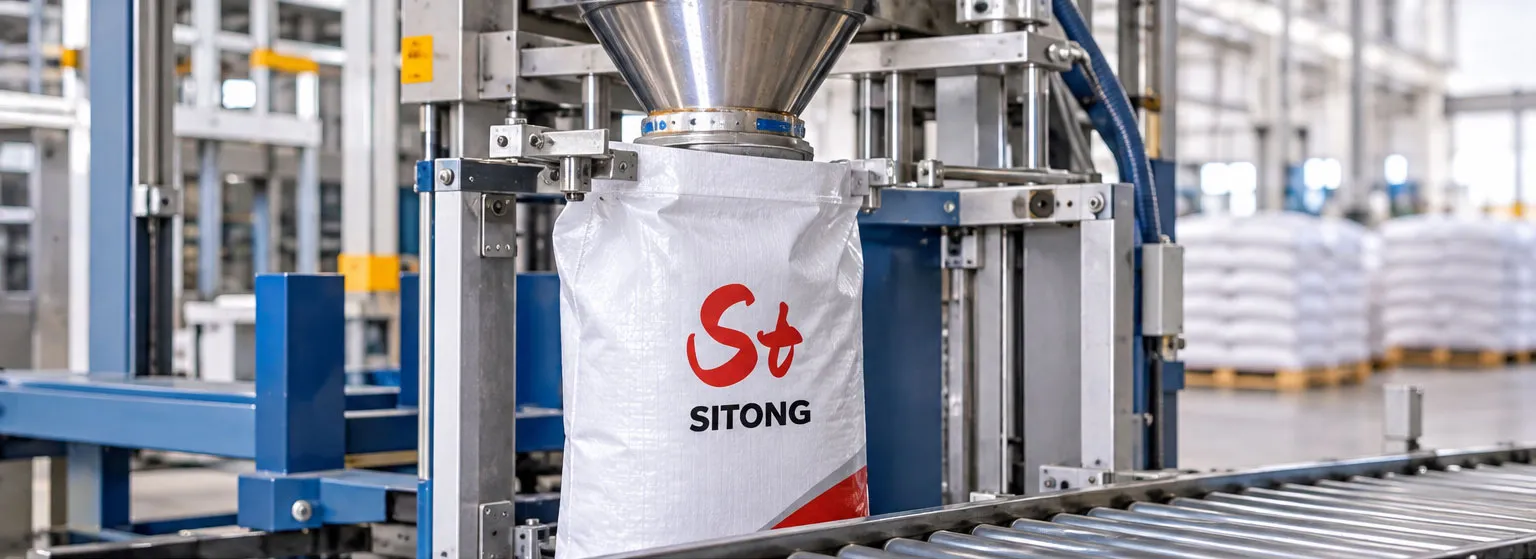
PP woven valve bags and block bottom bags are designed around two different packaging requirements: filling and stacking. A valve bag has an integrated filling sleeve that connects to compatible packing equipment, while a block bottom bag has a formed flat base that helps it stand upright and stack neatly. These features are not mutually exclusive. A bag can combine a valve closure with a block bottom construction, allowing buyers to specify both filling efficiency and a stable finished pack. The right design depends on the product, filling equipment, handling conditions and storage requirements.
For background on PP woven sack constructions and filling methods in general, see our PP woven bags guide.
What Are PP Woven Valve Bags?
A PP woven valve bag is a sack fitted with an integrated filling sleeve, usually positioned at one corner or in the top section. During filling, the sleeve connects to a compatible packing spout, allowing powders or granules to enter through a controlled opening. Depending on the valve design and product characteristics, the opening may close through product pressure or require an additional folding, tucking or heat-sealing step. Compared with conventional open-mouth filling, a properly designed valve system can help reduce product leakage and airborne dust during packing.
Valve bags can be manufactured with different bottom constructions and valve positions to match the filling equipment. Depending on the product, they may also include an inner coating, BOPP lamination or PE liner to improve moisture resistance, print presentation or product containment. The valve design, seam structure and material combination should be confirmed against the actual filling conditions.
What Are Block Bottom Bags?
A block bottom bag, also known as a square bottom bag, has a specially formed base with folded panels that create a flat, rectangular bottom when the bag is filled. This construction helps the filled bag stand upright and maintain a more defined shape than a conventional pillow-shaped sack. Its stacking performance depends on the bottom dimensions, gusset design, bag proportions and how the product settles inside.
Block bottom construction is useful when filled bags need to remain upright during handling, storage or display. A relatively flat front and back panel also provide practical surfaces for product information, logos and graphics. Depending on the required appearance and product protection, the bag can be made with coated PP woven fabric or BOPP lamination.
Valve Bags vs Block Bottom Bags
The two constructions are compared below as structural attributes rather than mutually exclusive functions. The choice is not always between one construction and the other — buyers can specify a valve, a block bottom or a combination of both, depending on the filling line and the required finished bag shape.
| Comparison Point | Valve Construction | Block Bottom Construction |
|---|---|---|
| Main function | Provides a controlled filling opening | Forms a flat, rectangular base |
| Structural feature | Integrated filling sleeve or valve | Folded and formed bottom panels |
| Filling compatibility | Designed for compatible valve filling equipment | Can be designed for open-mouth or valve filling |
| Filled bag shape | Depends on the body and bottom construction | Stands upright with a defined base |
| Handling and stacking | Depends on the filled bag shape and pallet arrangement | Helps create neat, stable pallet stacks |
| Typical applications | Cement, dry mortar, flour, fertilizer and other compatible powders or granules | Retail food, agricultural products and industrial products requiring an upright pack |
| Possible combination | Can be combined with block bottom construction | Can incorporate a valve for automated filling |
How Valve Bags Work in Filling
Valve bags are commonly used on automated packing lines for powders and granules that can be fed through a compatible filling system. During operation, the bag is positioned on the filling spout, and the equipment meters the product into the bag through the valve. Filling accuracy depends primarily on the dosing equipment and its operating settings. Dust and product leakage control, however, depend on the complete filling system, including the valve design, fabric permeability, coating, liner and seam construction. For fine powders, buyers should evaluate these factors together rather than relying on the valve opening alone.
Important performance factors include fabric GSM, tape denier, valve dimensions and position, coating or liner construction, and the strength of the bottom seams. Buyers should also provide the product’s particle size, bulk density, flow characteristics and target filling weight so the bag can be matched to the packing equipment.
Block Bottom Construction and Stacking
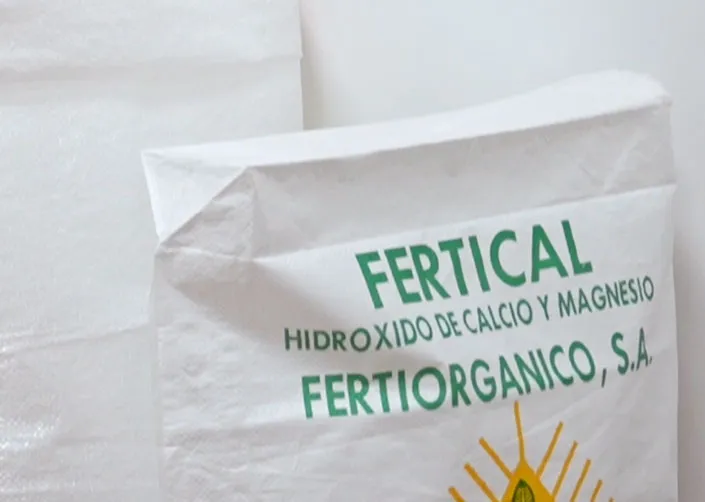
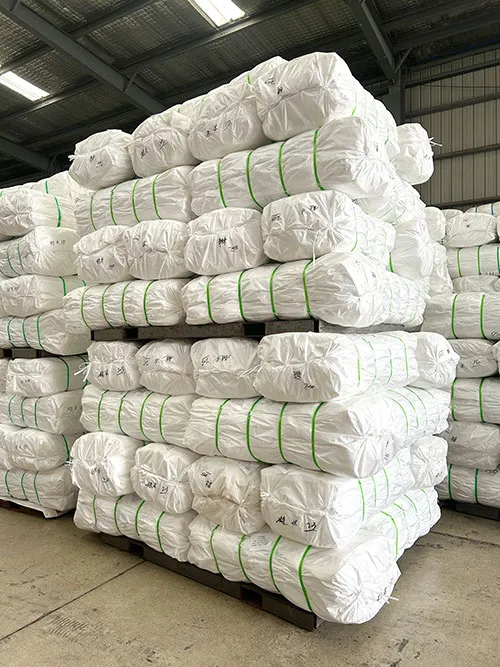
Block bottom construction allows a filled bag to stand on a flat base rather than settling into a conventional pillow shape. The finished appearance and stacking performance depend on the base dimensions, gusset design, fabric stiffness and product distribution inside the bag. For palletized goods, buyers should consider not only whether an individual bag stands upright, but also how multiple filled bags fit together in the intended stacking pattern. A flat front panel can also provide a practical surface for printed product information and branding.
Common Applications
- Construction materials — Cement, dry mortar, tile adhesive, gypsum powder and lime are commonly packed in PP woven valve bags on automated filling lines. Valve dimensions, fabric strength and dust-control requirements should match the product and equipment.
- Food ingredients — Flour, sugar, salt and other suitable powdered or granular ingredients can be packed in valve or block bottom bags. Food-contact suitability depends on the materials, manufacturing conditions and destination-market requirements. For applications requiring food-contact packaging, see our food-grade PP woven bags for material and compliance considerations.
- Agricultural inputs — Fertilizers, mineral additives and selected agricultural products may use valve bags for automated filling, with coating or liners specified according to moisture and containment requirements.
- Retail and branded packaging — Block bottom bags with BOPP lamination provide a defined shape and printable surfaces for products that require upright storage, clear product information and shelf presentation.
- Industrial minerals and chemicals — Calcium carbonate and other compatible powders can be packed in valve bags or valved block bottom bags, depending on particle characteristics, filling equipment and handling conditions.
How to Choose: Valve, Block Bottom, or Both
- Filling equipment — Confirm whether the packing line uses valve filling or open-mouth filling, and check the required valve position and dimensions.
- Product characteristics — Provide particle size, bulk density, moisture level and flow behaviour. These factors affect filling performance and the choice of coating, liner and closure.
- Finished bag shape — Specify a block bottom if the filled bag needs to stand upright or form a more uniform pallet stack.
- Printing and presentation — Consider BOPP lamination when detailed graphics, branding or retail-facing presentation are important.
- Regulatory requirements — For food packaging, confirm applicable food-contact requirements and supporting documentation for the specific material construction. For dangerous goods, identify the UN packaging requirements and applicable certification before production.
Specifications and Customization
The specification of a PP woven valve or block bottom bag should cover both the fabric and the finished bag construction. Before requesting a quotation, buyers should prepare the following information:
- Bag dimensions — Width, length, gusset dimensions and finished bottom size.
- Filling requirements — Target filling weight, product type, filling equipment and valve position.
- Fabric specifications — GSM, tape denier, weave density and coating requirements.
- Barrier construction — Uncoated woven fabric, coated fabric, BOPP lamination or an inner PE liner, depending on moisture and product containment needs.
- Printing — Logo, artwork, number of colours and printing method.
- Packing requirements — Bundles, bales or palletized delivery, together with the required quantity and destination.
For repeat orders, buyers should also provide an approved physical sample or technical specification sheet to help maintain consistency between production batches. See our PP woven bag specifications guide for more details on fabric and material parameters.
Example: a buyer packing 25 kg of dry mortar on an automatic valve filling line may request a PP woven valve block bottom bag with a specified valve position, formed base, suitable fabric weight, optional BOPP lamination and custom printing. The final dimensions and fabric specifications should be confirmed against the product density, filling equipment and stacking requirements before production.
Sourcing and Manufacturer Considerations
When sourcing PP woven valve or block bottom bags, buyers should look beyond fabric specifications and confirm the manufacturer’s ability to control the finished bag construction. Valve positioning, bottom folding, seam strength, coating and printing all affect how the bag performs after filling.
SITONG PACKAGING has manufacturing facilities in Haicheng, Liaoning, China, and Cambodia, with around 20 production lines and an annual production capacity of approximately 30,000 tonnes. Our PP woven packaging range covers different sack constructions, including valve bags, block bottom bags and customized printed woven sacks. Depending on the project requirements, buyers can discuss fabric specifications, valve configurations, gusset dimensions, BOPP lamination, PE liners and printed designs with our team. Visit our PP woven bag manufacturing page or OEM and custom packaging service to learn more. For laminated printed packaging, see our BOPP laminated bags.
Conclusion
PP woven valve bags and block bottom bags address different parts of the packaging process. Valve construction determines how the bag is filled, while block bottom construction determines how it stands and stacks after filling. For products requiring both automated packing and an upright finished shape, the two features can be combined in one bag.
Before ordering, confirm the filling equipment, product characteristics, bag dimensions, material structure and printing requirements with the manufacturer. These details provide a more reliable basis for selecting the right construction than choosing by bag type alone.
Looking for custom PP woven valve bags or block bottom bags? Contact SITONG PACKAGING with your bag dimensions, filling weight and packaging requirements to discuss suitable constructions, OEM printing and quotation details.
Frequently Asked Questions
A standard valve bag is defined by its integrated filling sleeve, while a valve block bottom bag combines the same filling feature with a formed flat base. The combined construction is useful when bags need to be filled on compatible automated equipment and then stand upright for storage or pallet stacking. The choice depends on the required finished shape and handling conditions.
Yes. PP woven valve bags are commonly used for cement, dry mortar, tile adhesive and similar powdered construction materials. The appropriate valve design, fabric weight, coating and seam construction depend on the product characteristics and filling equipment. Dust containment should be evaluated as a complete bag-and-filling-system requirement.
Not always. Some valve designs use product pressure to help close the filling sleeve, while others require tucking, folding or an additional heat-sealing step. The appropriate closure depends on the valve construction, product flow and required containment performance.
Yes. Block bottom bags can be manufactured with either an open-mouth or valve construction. A valved block bottom design can be used on compatible automated packing lines while maintaining a flat base for stacking. Equipment compatibility should be confirmed before ordering.
Yes. BOPP film can be laminated onto PP woven fabric to provide a printable outer surface for logos, product information and multi-colour graphics. The lamination structure should be selected according to the required appearance, handling conditions and moisture protection needs.
Yes, provided the complete packaging construction and manufacturing conditions meet the applicable food-contact requirements in the destination market. Buyers should confirm the material specifications and request relevant compliance documentation, such as a Declaration of Compliance and applicable migration test reports where required.
Buyers should provide the bag dimensions, target filling weight, product characteristics, filling equipment, valve position, fabric GSM, printing artwork, coating or lamination requirements and any liner specifications. An existing sample or technical drawing can also help confirm the construction before mass production.
Ask for samples showing the valve position, bottom construction, seams and printing quality. Confirm whether the supplier controls the relevant conversion processes and can maintain the agreed dimensions and material specifications across repeat orders. A production sample tested on the actual filling line is particularly useful before placing a large order.