

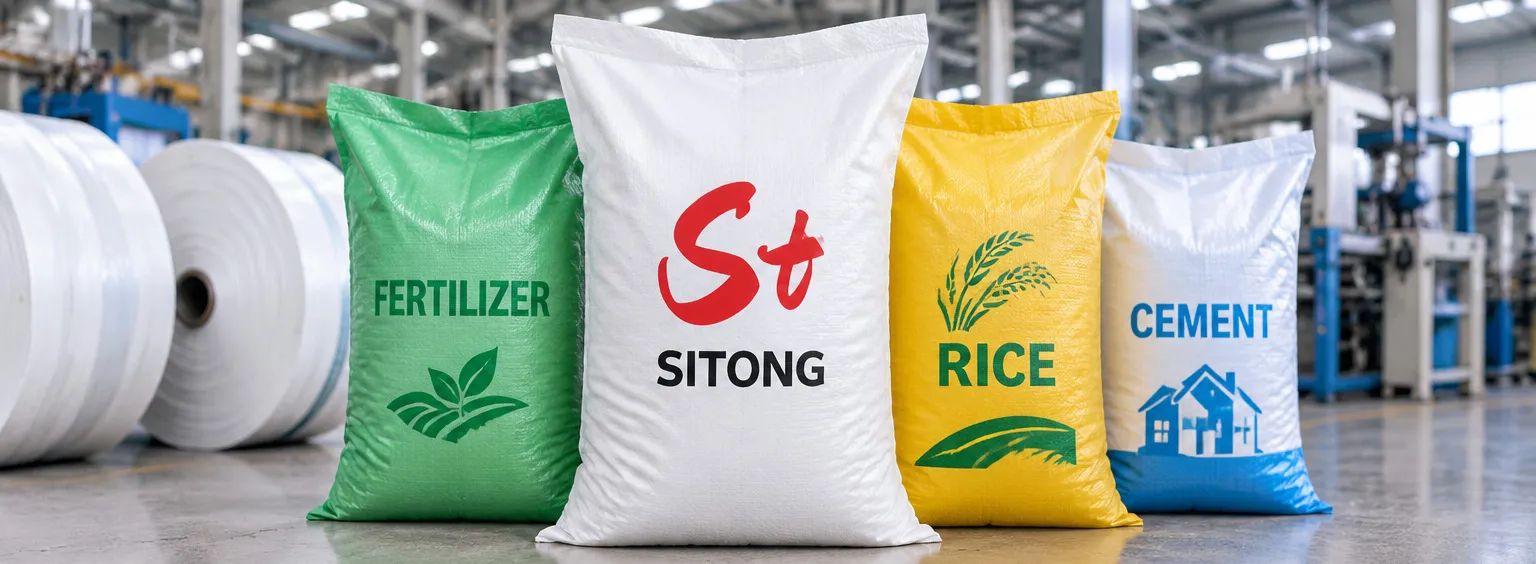
Woven polypropylene (PP) bags are widely used for packaging and transporting dry products such as grain, rice, fertilizer, animal feed, cement and industrial powders. Made from woven polypropylene tape fabric, these bags combine relatively low packaging weight with good tensile strength and can be produced in different sizes, fabric weights and constructions to suit specific filling, storage and handling requirements.
For importers, distributors and packaging buyers, selecting the right bag involves more than comparing unit prices. Fabric specifications, coating or lamination, seam construction, filling methods, printing requirements and destination-market regulations all affect the final choice. This guide covers these factors and explains what to consider when sourcing woven PP bags from a manufacturer.
What Are Woven Polypropylene Bags?
A woven polypropylene bag is made from polypropylene resin that is melted and extruded into a thin film. The film is slit into narrow tapes, stretched to improve tensile properties, and woven into fabric using circular or flat looms. The resulting fabric is then cut and converted into bags through sewing and other finishing processes.
The strength and performance of a finished bag depend on several factors, including tape denier, fabric weight, weave density, bag dimensions and seam construction. These specifications should be evaluated together against the intended filling weight and handling conditions rather than relying on GSM alone.
Polypropylene is identified by recycling code 5. However, the recyclability of a finished woven PP bag also depends on its construction, printing, coatings, liners and the availability of suitable collection and recycling facilities.
How Woven PP Bags Are Made
Understanding the production chain helps buyers judge quality and customization options:
- Extrusion — Polypropylene resin is melted and extruded into a thin film. Additives such as UV stabilizers or color masterbatch may be incorporated according to the intended application.
- Tape production — The film is slit into narrow tapes and stretched to improve their tensile properties. Tape width and denier influence the characteristics of the finished fabric.
- Weaving — Circular looms produce tubular fabric, while flat looms produce flat fabric. Weave density and construction are selected according to the required bag specifications.
- Coating or lamination — Depending on the bag design, a PP coating or BOPP film may be applied to the woven fabric. For BOPP laminated bags, the printed film is typically bonded to the woven fabric during lamination.
- Printing — Printing methods depend on the construction. Flexographic printing can be used on woven fabric, while rotogravure printing is commonly used to produce detailed graphics on BOPP film before lamination.
- Cutting and conversion — Fabric is cut to the specified dimensions and converted into bags through sewing, sealing or other finishing operations. Liners, handles, valves and other components are added when required.
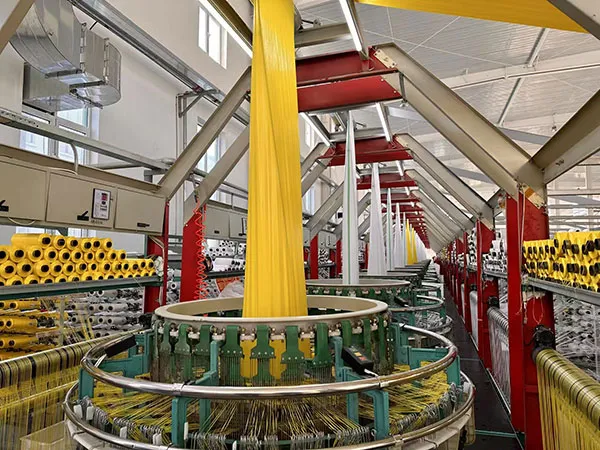
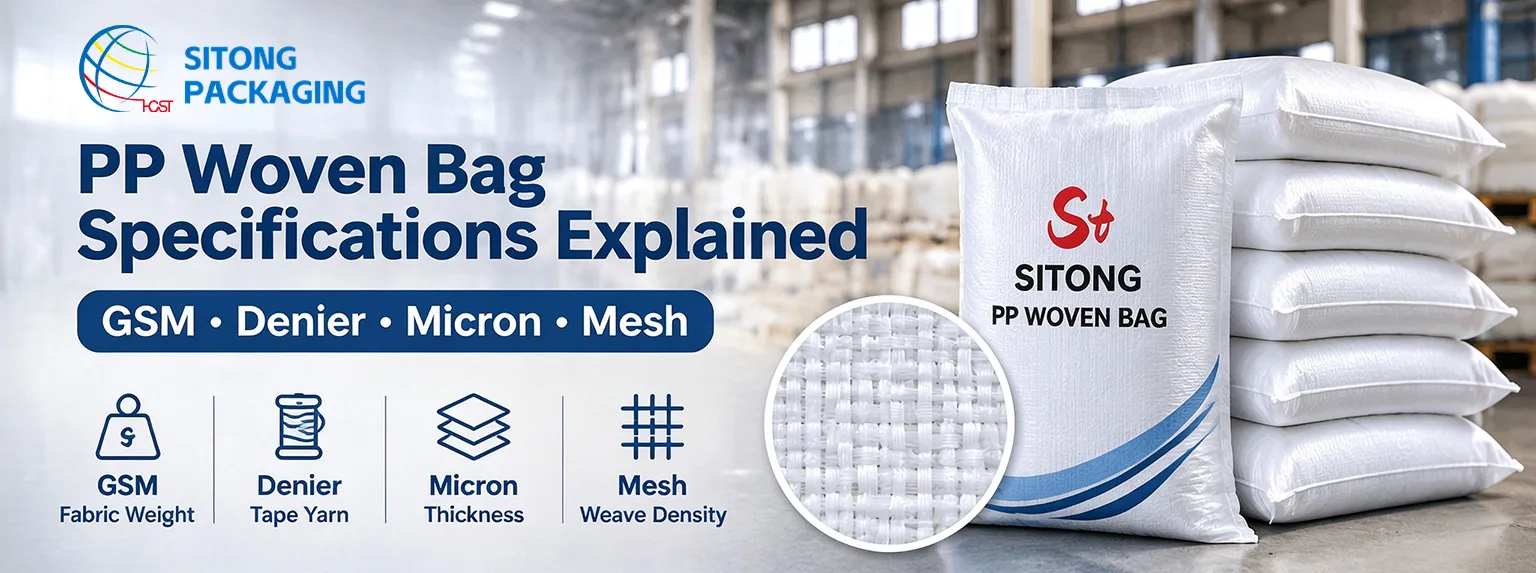
The exact fabric weight, tape denier, weave density and coating choice are the variables that determine performance. Buyers should specify these numerically rather than by vague “strong” or “heavy-duty” language. Our PP woven bag specifications guide explains how to read GSM, denier and mesh in detail.
Laminated vs Non-Laminated Woven PP Bags
The choice of bag construction depends on the product’s moisture sensitivity, ventilation requirements, powder containment needs and printing expectations. Buyers should distinguish between PP coating, BOPP lamination and an inner PE liner, as each serves a different purpose.
| Construction | Main Characteristics | Typical Applications |
|---|---|---|
| Uncoated woven PP | Breathable fabric with no additional surface coating | Grain, seeds, agricultural produce and other products requiring ventilation |
| PP-coated woven bags | Additional PP layer helps reduce moisture penetration through the fabric, depending on coating quality and construction | Fertilizer, feed and selected industrial products |
| BOPP laminated bags | Printed BOPP film provides a smooth surface for detailed graphics and branding | Rice, flour, animal feed, fertilizer and retail packaging |
| PE-lined woven bags | Separate inner liner provides an additional barrier according to liner thickness and closure design | Moisture-sensitive products and selected fine powders |
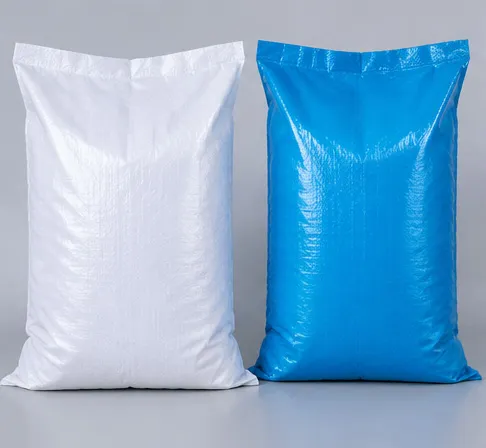
For agricultural products such as grain and seeds, uncoated woven bags may be suitable when ventilation is important. For branded retail packaging, BOPP lamination offers a better surface for detailed printing. For fine powders such as flour, cement and certain fertilizers, buyers should also consider sift-proof fabric construction, seam design and inner liners where necessary. The appropriate combination depends on the product’s particle size, moisture sensitivity and filling method. See our BOPP laminated bags product page for available options.
What Specifications Should Buyers Confirm Before Ordering?
Before requesting a quotation, buyers should prepare the basic specifications that determine the bag’s construction, performance and final cost. A complete inquiry reduces the need for repeated adjustments during sampling and production.
| Specification | Information to Confirm |
|---|---|
| Bag dimensions | Width, length, gusset and bottom construction |
| Fabric specifications | GSM, tape denier and weave density |
| Filling requirements | Net filling weight and filling method |
| Surface construction | Uncoated, PP-coated or BOPP laminated |
| Additional components | PE liner, handles, gussets, valves or other features |
| Printing | Artwork, colours, printing method and design requirements |
| Packaging and delivery | Bundle or bale packing, quantity, destination and delivery terms |
For repeat orders, buyers should also retain the approved sample, technical specifications and printing artwork as reference documents. This helps maintain consistency between production batches. For a more detailed explanation of GSM, denier, micron and mesh, see our PP woven bag specifications guide.
Food-Contact and Dangerous Goods Requirements
Packaging requirements become more specific when woven PP bags are used for food contact or dangerous goods. Buyers should identify the applicable regulations and packaging requirements for their destination market and intended use before confirming the bag construction.
- Food-contact packaging — For the US market, buyers should check the applicable requirements under FDA 21 CFR 177.1520 for olefin polymers. In the EU, Regulation (EU) No 10/2011 applies to plastic materials and articles intended to come into contact with food, within the framework of Regulation (EC) No 1935/2004. Material composition, intended food type, contact conditions and applicable migration limits must be considered. Buyers should request an applicable Declaration of Compliance and supporting technical documentation, including migration test reports where required or appropriate for the intended packaging construction, rather than relying on a generic food-grade claim. See our food-grade PP woven bags guide for more details.
- UN-tested packaging — Certain dangerous goods may require UN-tested packaging, depending on their classification, packing group and applicable packing instructions. Woven plastic bags can fall under classifications such as 5H1 (without coating or liner), 5H2 (sift-proof) and 5H3 (water-resistant). Buyers should verify the complete UN marking, approved packaging design, test documentation and permitted conditions of use before ordering. Not every woven PP bag is suitable for dangerous goods.
Common Applications of Woven PP Bags
Woven PP bags are used across industries that require lightweight packaging with suitable strength for handling and transportation. The bag construction varies according to the product, filling weight and storage environment.
- Agriculture and grain packaging — Used for rice, wheat, corn, soybeans, seeds and selected agricultural produce. Uncoated bags may be preferred when ventilation is important.
- Food and retail packaging — Used for rice, flour, sugar and salt. BOPP laminated bags are often selected when product branding, printed information and shelf presentation are important.
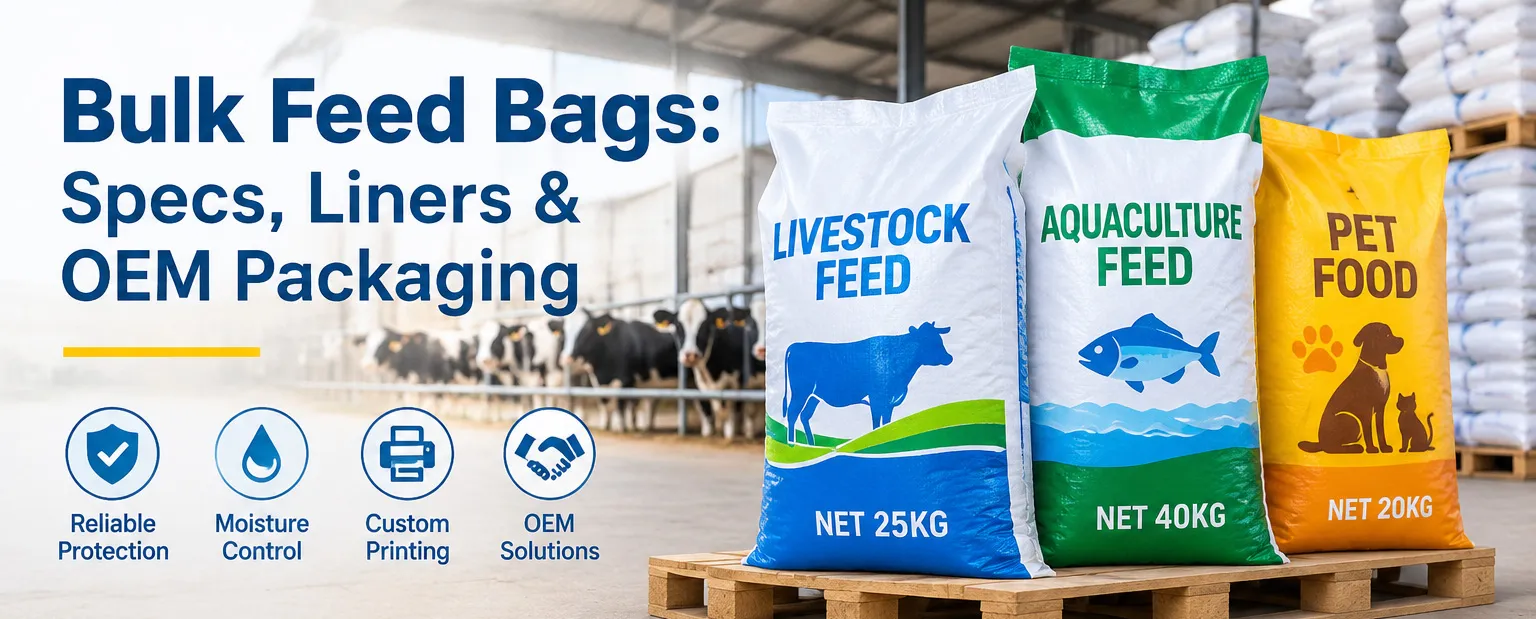
- Animal feed and fertilizer — Available in different weights and dimensions for livestock feed, compound fertilizer and agricultural inputs. Coating or inner liners can be considered according to moisture and storage requirements.
- Construction materials — Used for cement, dry mortar, gypsum, lime and other powdered building materials. Bag design should account for filling equipment, powder containment and transportation conditions.
- Chemicals and mining — Used for selected powdered chemicals, mineral products and industrial materials. Buyers should confirm the material compatibility, packaging specifications and any applicable dangerous-goods requirements.
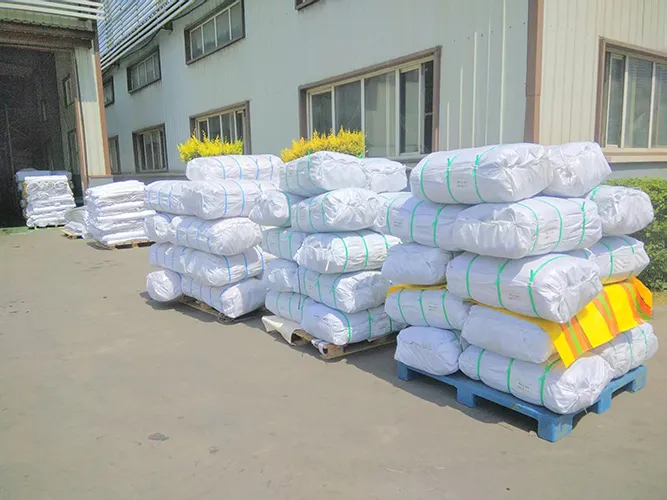
Choosing a Woven PP Bag Manufacturer
When comparing woven PP bag manufacturers, buyers should look beyond the quoted price and check whether the supplier can consistently meet the required specifications, production schedule and export documentation requirements.
For importers and distributors, several points deserve particular attention:
- Production capabilities — Check whether the supplier handles key processes such as tape extrusion, weaving, coating, printing, cutting and sewing in-house. Production integration can make specification control and order coordination easier.
- Product customization — Confirm available bag dimensions, fabric weights, printing methods, liners, handles, gussets and bottom constructions. Ask for a technical drawing or sample before approving mass production.
- Quality control — Request information about raw material inspection, fabric GSM checks, bag dimensions, tensile performance, seam strength and finished-product inspection. Testing requirements should match the intended application.
- Certification and compliance — Check the validity, certified production site and scope of relevant quality and packaging certifications. For food-contact applications, also request material compliance documentation and relevant migration test reports. Management-system certification and food-contact regulatory compliance should be evaluated separately.
- Production and export arrangements — Evaluate production capacity, lead times, MOQ, packaging methods, container loading plans and previous export experience in your target market.
SITONG PACKAGING has manufacturing operations in Haicheng, Liaoning, China, and Cambodia, with around 20 production lines and an annual production capacity of approximately 30,000 tonnes. Its production processes include PP tape weaving, coating, cutting, sewing and bag conversion, supporting a range of PP woven sacks and customized packaging orders.
For buyers looking for a long-term supply partner, SITONG provides OEM customization for bag dimensions, fabric specifications, printing and functional components. You can learn more about our PP woven bag manufacturing capabilities or visit our OEM and custom packaging page to discuss your requirements.
From Inquiry to Production: What Buyers Should Expect
A typical woven PP bag sourcing process involves several steps:
- Specification confirmation — The buyer provides bag dimensions, fabric requirements, filling weight, artwork and intended application.
- Quotation and technical review — The manufacturer reviews the specifications and confirms construction, pricing, MOQ and estimated lead time.
- Sample approval — A physical sample or production proof is checked for dimensions, material, printing and functional requirements.
- Mass production and inspection — Production follows the approved specifications, with relevant quality checks during manufacturing and before shipment.
- Packing and shipment — Finished bags are packed according to the agreed method and prepared for export.
Conclusion
Selecting woven polypropylene bags starts with understanding the product being packed and how the bags will be filled, stored, transported and handled. Fabric specifications, coating or lamination, seam construction and printing requirements should be considered together rather than evaluated separately.
Before requesting a quotation, buyers should prepare the required bag dimensions, filling weight, fabric specifications, packaging application, printing artwork and any applicable compliance requirements. Providing these details helps manufacturers recommend a suitable construction and prepare a more accurate quotation and sample for evaluation.
If you are sourcing woven PP bags for agriculture, food, fertilizer or industrial packaging, contact SITONG PACKAGING to discuss your specifications and OEM requirements.
Frequently Asked Questions
Polypropylene is identified by recycling code 5, and clean PP woven bags can be mechanically recycled where suitable facilities are available. However, BOPP lamination, coatings, printing inks and PE liners may affect the recycling process. Buyers should check local recycling capabilities and material requirements before specifying recycled-content packaging.
Woven PP bags are made by interlacing stretched polypropylene tapes into a fabric, providing a structure suitable for many industrial and agricultural packaging applications. Non-woven PP materials are formed by bonding fibres or filaments rather than weaving tapes. Their strength, texture and intended uses are different.
There is no universal GSM specification for a particular filling weight. Fabric weight, tape denier, weave density, bag dimensions and seam construction all influence performance. Buyers should specify the required filling weight and handling conditions first, then confirm the fabric construction through samples and testing.
Choose uncoated bags when ventilation is important, and consider PP coating or BOPP lamination when additional surface protection or better print presentation is needed. The final choice depends on the packaged product and storage conditions.
Not every application requires a liner. PE liners may be useful for moisture-sensitive products or selected fine powders, while sift-proof fabric and suitable seam construction may be required to reduce powder leakage. The appropriate design depends on the product, particle size, filling method and storage environment.
Requirements depend on the destination market, food type and intended contact conditions. US buyers should check applicable FDA requirements, including 21 CFR 177.1520 where relevant, while EU buyers should review Regulation (EU) No 10/2011. Material documentation and relevant compliance evidence should be requested for the actual packaging construction.
Yes. Woven PP bags can be customized in dimensions, fabric weight, printing, coating, lamination and functional components. Flexographic printing is suitable for simpler graphics and product information, while rotogravure printing is often selected for more detailed designs. BOPP lamination provides a smooth surface for high-quality multi-colour printing.
A valve bag has a filling opening designed for use with compatible automated filling equipment. After filling, the valve is closed through the designed closure mechanism, which may reduce dust release and improve filling efficiency. Valve construction is commonly used for powdered products such as cement, flour and selected industrial materials.