PP Valve Bags

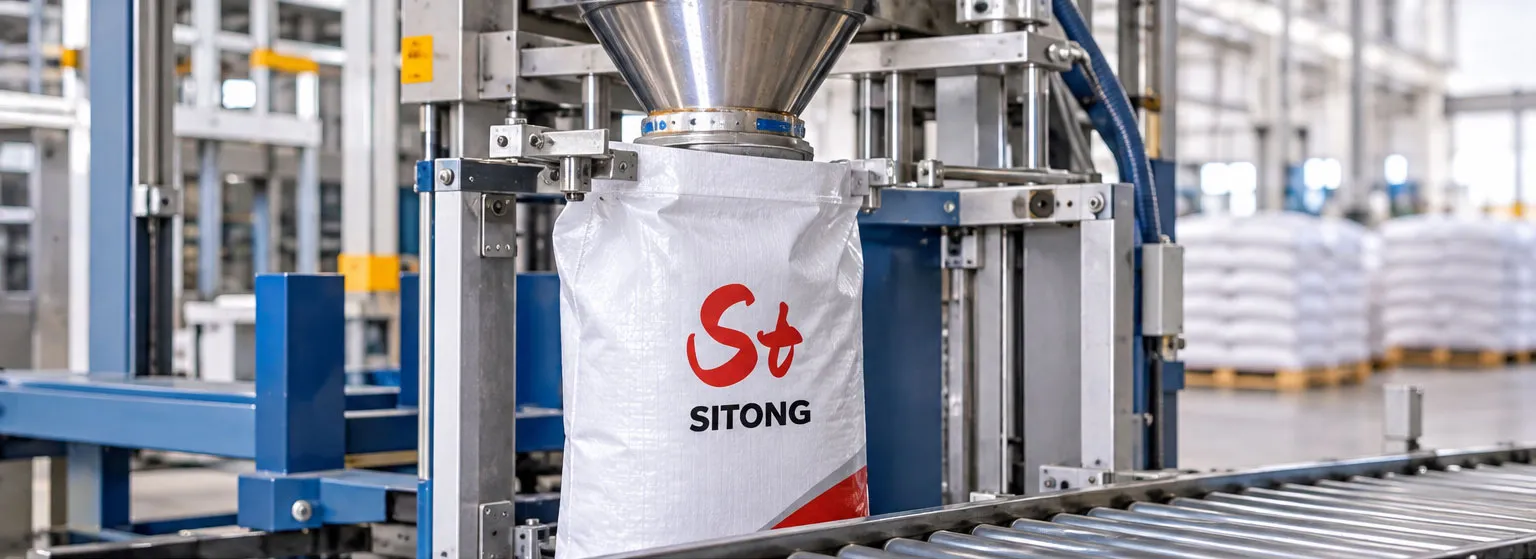
SITONG manufactures custom PP woven valve bags for controlled filling of powders and granules. Available with customized valve structures, fabric weights, PE liners and compatible laminated surfaces, our bags are used for cement, dry mortar, flour, minerals, fertilizers and plastic resins. Bag dimensions and valve specifications can be matched to your filling equipment and packaging requirements.
Automatic Filling PE Liner Available 10–50 kg Capacity Custom Printing
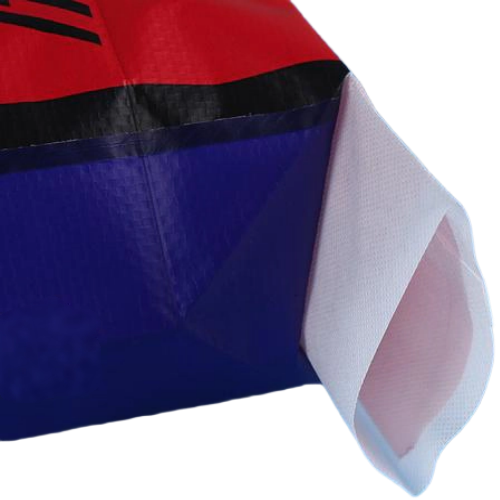
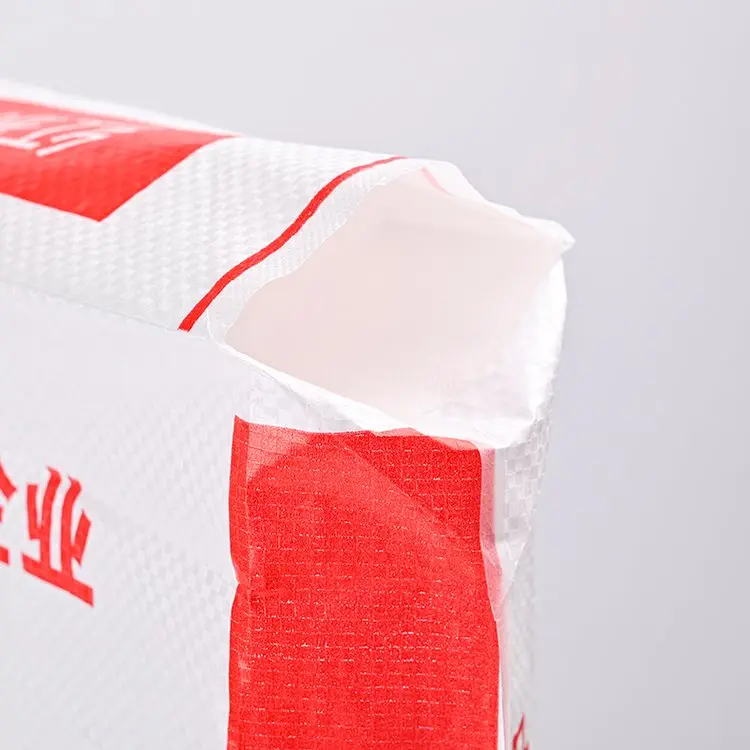
Close-up view of a PP valve bag

Product Overview

Valve bag structure, filling options and industrial applications.

PP woven valve bags are industrial packaging sacks designed for filling powders and granular materials through a dedicated valve opening. Unlike conventional open-mouth PP woven bags, which require the entire top opening to be closed after filling, valve bags use a smaller filling inlet that connects directly to the filling spout.

During the filling process, the product enters through the valve while displaced air escapes through the bag structure or designated venting areas, depending on the construction. After filling, the valve can be designed to close through product pressure, an internal tuck-in arrangement or an additional sealing method. The selected design affects filling efficiency, dust containment and product retention.

For moisture-sensitive products, an optional PE liner or compatible coated and laminated structure can provide an additional barrier. The appropriate construction depends on product particle size, moisture sensitivity, filling speed and transportation conditions. For other industrial packaging requirements, explore our PP woven bags and laminated PP woven bags, or review our cement and construction packaging solutions.

Valve Structure & Filling Options

Key valve design and closure considerations for different filling systems and product requirements.

Internal Valve Structure

An internal sleeve or valve arrangement is positioned inside the bag to provide a controlled filling inlet. Its dimensions, material and placement depend on the filling spout and bag design.

Self-Closing Performance

Some valve designs use the pressure and movement of the filled product to help close the valve after filling. Performance depends on product characteristics and the selected valve construction.

Tuck-In Closure

A suitable valve extension can be folded or tucked into the bag after filling to help retain the contents during subsequent handling and transportation.

Heat-Sealing Compatibility

Where compatible valve materials and sealing equipment are available, heat sealing can provide an additional closure method for applications requiring improved containment.

Not every valve configuration is suitable for every filling line. Send us your filling spout dimensions, product details and an existing bag sample so we can evaluate the appropriate construction.

Technical Specifications

Typical build parameters — finalized against your product and requirements.

Bag MaterialPolypropylene (PP) woven fabric
Fabric Weight70–120 GSM, customized
Bag Capacity10–50 kg, depending on product density and bag dimensions
Bag ConstructionTubular or back-seam construction, subject to design
Valve DesignCustomized valve opening, sleeve material and position
Valve ClosureAccording to valve structure and sealing requirements
Bottom ConstructionStitched, pasted or heat-sealed, depending on bag structure
Surface TreatmentUncoated, PE-coated or laminated, where compatible
Inner LinerOptional PE liner, thickness customized
PrintingFlexographic printing, up to 4 colors
UV ProtectionOptional UV stabilization based on storage conditions
PackagingBale or pallet packaging, as specified
MOQSubject to bag dimensions, construction and printing requirements

Key Features of PP Valve Bags

Valve, closure and construction features for industrial filling.

Automatic Filling Compatibility

Designed for spout filling systems, with valve dimensions and positioning customized to match the customer's packing equipment.

Controlled Product Containment

Valve construction helps limit product spillage during filling, handling and transportation when properly matched to the material.

Adjustable Air Release

Fabric permeability and optional venting features can be considered according to powder fineness and filling speed.

Durable Bag Construction

Woven PP fabric and suitable seam or bottom construction help withstand filling pressure, stacking and routine handling.

Moisture Protection Options

PE liners, coating or compatible laminated structures can provide additional protection for moisture-sensitive contents.

Custom Industrial Printing

Flexographic printing supports product identification, handling instructions, batch information and customer branding.

Applications

Powder and granule packaging across building, food and industrial sectors.
Cement dry mortar pp valve bag

Cement & Dry Mortar

Used for cement, tile adhesive, gypsum powder and dry mortar. Valve filling supports efficient packing in high-volume building material production.
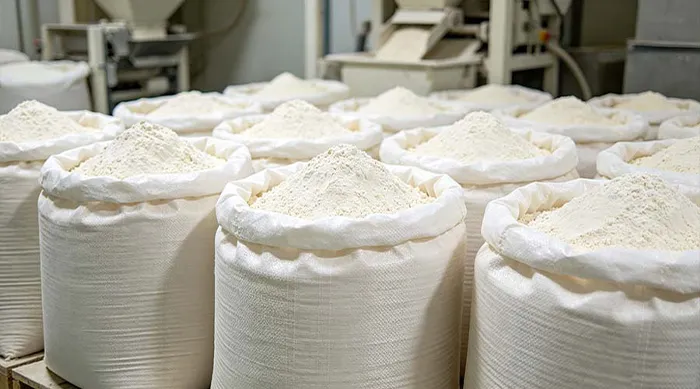
Food-grade polypropylene woven bags filled with flour in a food processing facility

Flour & Starch

Suitable for flour, starch and selected powdered food ingredients, subject to applicable food-contact material requirements and production controls.
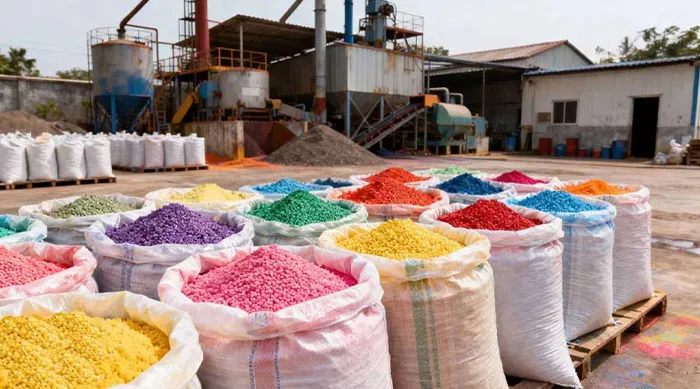
PP woven bags filled with colorful plastic masterbatch pellets at a chemical plant

Plastic Resins

Used for PE and PP resin pellets, polymer additives and masterbatch, with bag dimensions selected according to material density and filling requirements.
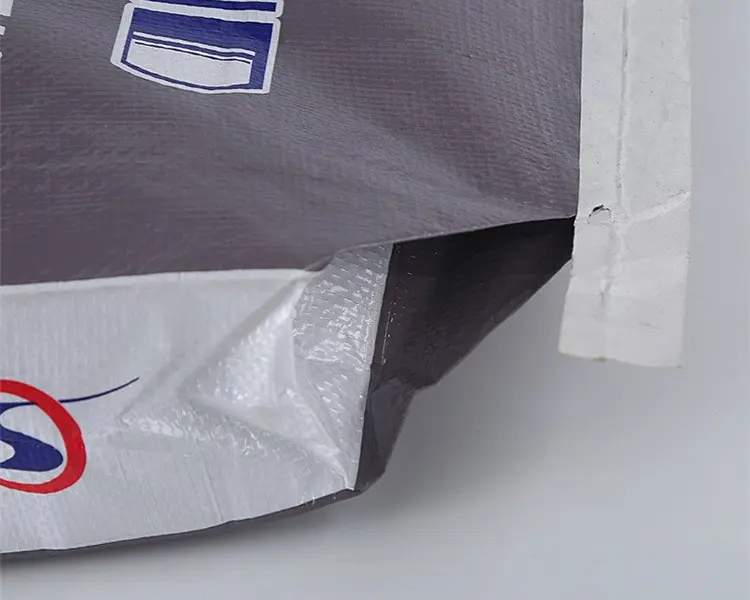
PP valve bags for chemicals

Fertilizers & Chemicals

Suitable for granular fertilizers, powdered additives and selected industrial chemicals. Liner and surface options depend on chemical compatibility and moisture sensitivity.
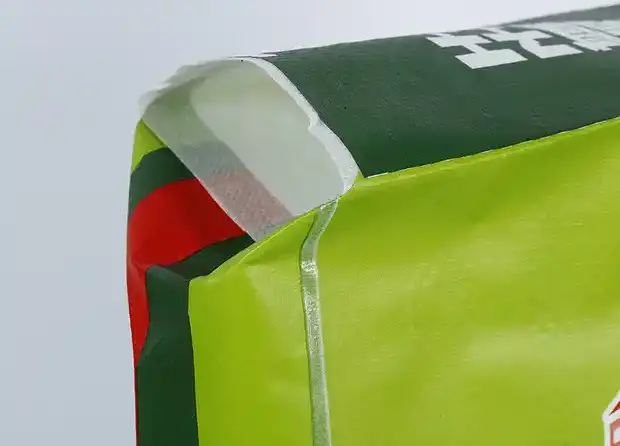
Putty powder PP valve bag

Minerals & Industrial Powders

Used for calcium carbonate, mineral fillers, clay, gypsum and other dry powdered materials, with fabric and venting specifications matched to particle characteristics.

Animal Feed & Feed Ingredients

Suitable for feed pellets and selected powdered feed ingredients where automated filling and convenient handling are required.

Choosing the right valve bag requires more than matching the filling weight. Product density, particle size, moisture sensitivity, filling speed and pallet stacking conditions should all be considered before finalizing the bag structure.

How to Select the Right PP Valve Bag

Five factors to consider before specifying your industrial valve bags.

1. Product Characteristics

Identify whether the contents are fine powders, coarse powders or granules. Particle size, bulk density and flow behavior influence valve design and fabric selection.

2. Filling Equipment

Provide the filling machine type, spout dimensions and target filling speed. These details help determine valve opening dimensions and positioning.

3. Bag Strength

Specify the filling weight, fabric GSM, bag dimensions and handling conditions to establish the required fabric and seam performance.

4. Barrier Requirements

Consider whether the product needs a PE liner, coated fabric or laminated surface to address moisture exposure and powder containment.

5. Storage & Transportation

Review pallet configuration, stacking height, warehouse conditions and shipping routes to select an appropriate bag construction.

If you are unsure which specifications to choose, share your product details, existing bag sample or filling equipment information with SITONG for a packaging assessment.

Customization Options

Rather than a fixed design, we adjust the bag to your application.

SITONG produces PP woven valve bags to customer specifications, covering bag dimensions, fabric weight, valve configuration, surface treatment and printing. Each order can be developed according to the required filling weight, equipment compatibility, product characteristics and delivery conditions.

Bag Dimensions

Customized width, length and gusset based on filling weight, product density and required filled-bag shape.

Fabric Construction

Select suitable fabric GSM, weave specifications and construction according to load and handling requirements.

Valve Configuration

Customize valve opening dimensions, sleeve materials and valve positioning to match the filling spout.

Liner & Surface

Choose compatible PE liners, coated fabric or laminated surfaces according to moisture and containment requirements.

Printing & Branding

Flexographic printing with customized artwork, product information, batch codes and handling instructions.

Packing & Delivery

Finished bags can be packed in bales or pallets according to order quantity, container loading and destination requirements.

Manufacturing Process & Quality Control

Manufacturing capabilities and quality checks for customized woven packaging.

Established in 1998, SITONG PACKAGING operates manufacturing facilities in Anshan, China and Cambodia, supplying PP woven packaging products to customers in more than 70 countries. Our manufacturing experience covers woven fabric production, bag conversion and customized packaging solutions for industrial applications.

For PP woven valve bags, production specifications are established around the required bag dimensions, fabric weight, valve construction and finished-bag performance. Quality inspection can cover fabric weight, bag dimensions, valve positioning, seam or bottom integrity, printing accuracy and finished-bag appearance.

Additional performance checks, such as fabric tensile testing, filled-bag drop testing and leakage evaluation, can be arranged according to the agreed product specification and application requirements. Where necessary, customers can provide existing bag samples or filling equipment details to support product evaluation before bulk production.

SITONG maintains BRCGS, ISO 9001, ISO 14001, OHSMS and OEKO-TEX® related certifications and management systems. Specific documentation and compliance requirements are confirmed according to the product application and destination market.

What Information Do We Need for a PP Valve Bag Quote?

Share the following details to help us evaluate your requirements and prepare a more accurate quotation.

Product Information

Product name, particle size, bulk density and moisture sensitivity.

Bag Specifications

Filling weight, bag width, length, fabric GSM and existing bag sample.

Filling Equipment

Filling machine type, valve spout dimensions and target filling speed.

Material Requirements

PE liner, coating, lamination, fabric permeability and other barrier requirements.

Printing Requirements

Logo, artwork, number of printing colors and product information.

Order & Delivery

Estimated quantity, destination country, delivery schedule and packaging preference.

Already using valve bags? Send us photos, drawings or a physical sample of your current packaging. Our team can review the specifications for a customized quotation.

Frequently Asked Questions

Quick answers for procurement and engineering teams.

What is the difference between a valve bag and an open-mouth bag?

A valve bag is filled through a small valve opening that connects to a filler spout and is closed by the valve design; an open-mouth bag is filled from the entire top opening and then stitched, taped or folded closed after filling.

Yes. PP woven valve bags can be customized for compatible automatic filling systems. Valve opening dimensions, sleeve materials and positioning should be matched to the filling spout and target filling speed. Providing your machine specifications or an existing bag sample helps us evaluate the appropriate design.

Yes. We can add an optional PE liner, coated fabric or laminated surface to reduce moisture penetration. The right barrier depends on the product and storage conditions — discuss your requirement before ordering.

Typical builds cover 10–50 kg. The achievable filling weight depends on bag dimensions, fabric GSM, material density and bag construction, so confirm the specification with your product.

Food-contact packaging requirements can be evaluated according to the intended food application and destination market. Material declarations, applicable food-contact documentation and production controls should be confirmed before placing an order. BRCGS certification alone does not establish that every bag structure is approved for food contact.

MOQ is subject to bag dimensions, construction, printing and customization requirements. Contact us with your specification for a workable order quantity.

Yes. Flexographic printing up to 4 colors carries brand, lot code, product information and handling instructions per your artwork.

SITONG ships through Dalian, China for relevant production, and can coordinate consolidated or origin shipments depending on the manufacturing plant and destination. Confirm the routing for your order.

Dust control depends on the valve design, fabric permeability, venting arrangement and product particle size. A suitable valve structure and properly matched filling equipment can help reduce product leakage and airborne dust during operation. The final design should be evaluated through a filling trial where necessary.

Related Articles

Explore material options, product specifications and practical applications.

Related PP Woven Packaging Products

Explore other woven polypropylene packaging solutions from SITONG.

Request a Quote

Share your product, filling equipment, bag specifications and barrier requirements for a tailored quotation.

Ask For A Quick Quote

We will contact you within 1 working day, please pay attention to the email with the suffix “@hcstgroup.com“.

Search