SITONG manufactures custom PP woven valve bags for controlled filling of powders and granules. Available with customized valve structures, fabric weights, PE liners and compatible laminated surfaces, our bags are used for cement, dry mortar, flour, minerals, fertilizers and plastic resins. Bag dimensions and valve specifications can be matched to your filling equipment and packaging requirements.
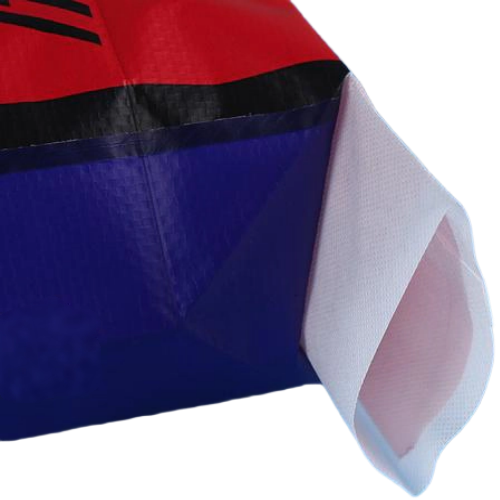
Valve bag structure, filling options and industrial applications.
Key valve design and closure considerations for different filling systems and product requirements.
An internal sleeve or valve arrangement is positioned inside the bag to provide a controlled filling inlet. Its dimensions, material and placement depend on the filling spout and bag design.
Some valve designs use the pressure and movement of the filled product to help close the valve after filling. Performance depends on product characteristics and the selected valve construction.
A suitable valve extension can be folded or tucked into the bag after filling to help retain the contents during subsequent handling and transportation.
Where compatible valve materials and sealing equipment are available, heat sealing can provide an additional closure method for applications requiring improved containment.
Not every valve configuration is suitable for every filling line. Send us your filling spout dimensions, product details and an existing bag sample so we can evaluate the appropriate construction.
Typical build parameters — finalized against your product and requirements.
Valve, closure and construction features for industrial filling.
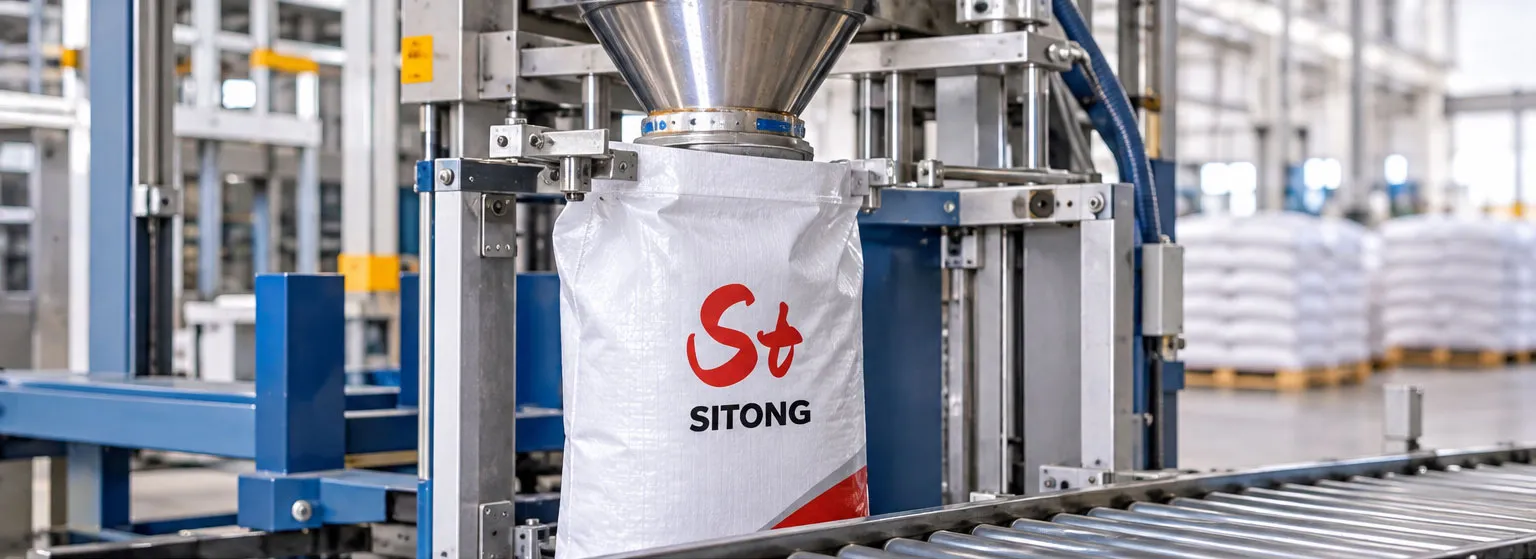
Designed for spout filling systems, with valve dimensions and positioning customized to match the customer's packing equipment.
Valve construction helps limit product spillage during filling, handling and transportation when properly matched to the material.
Fabric permeability and optional venting features can be considered according to powder fineness and filling speed.
Woven PP fabric and suitable seam or bottom construction help withstand filling pressure, stacking and routine handling.
PE liners, coating or compatible laminated structures can provide additional protection for moisture-sensitive contents.
Flexographic printing supports product identification, handling instructions, batch information and customer branding.
Powder and granule packaging across building, food and industrial sectors.
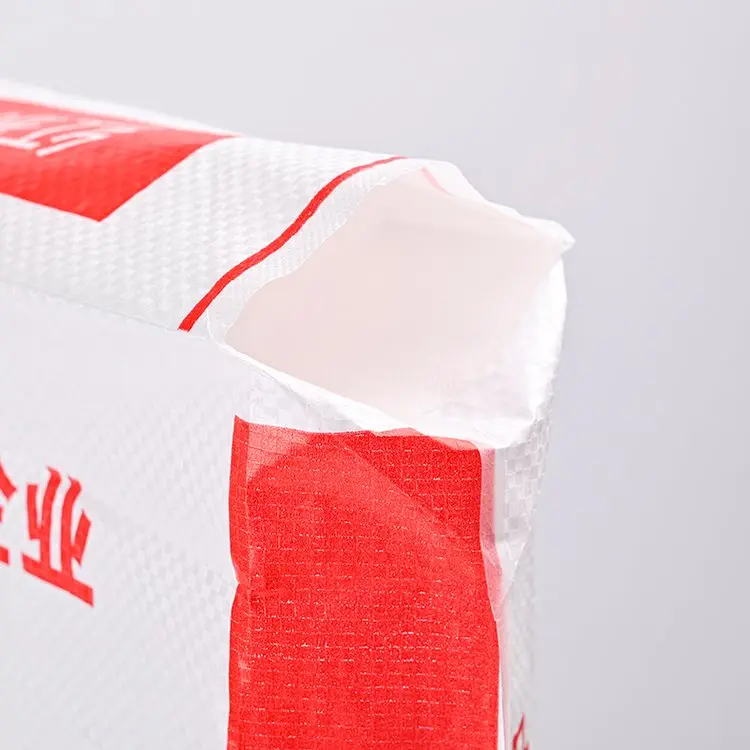
Used for cement, tile adhesive, gypsum powder and dry mortar. Valve filling supports efficient packing in high-volume building material production.
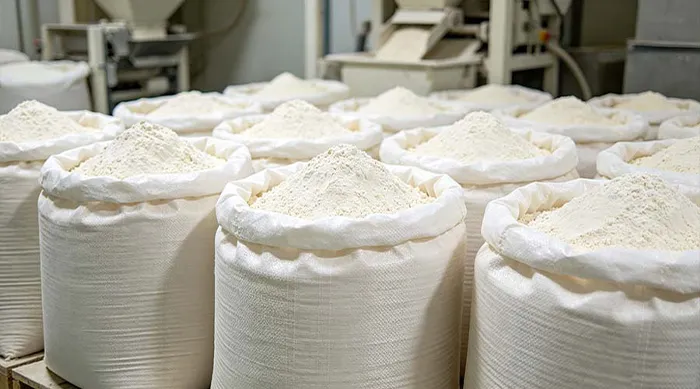
Suitable for flour, starch and selected powdered food ingredients, subject to applicable food-contact material requirements and production controls.
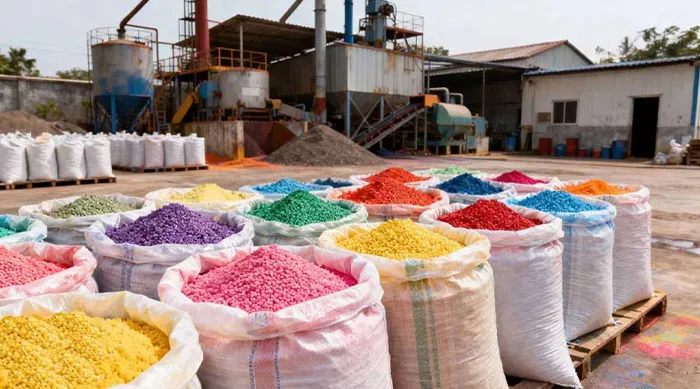
Used for PE and PP resin pellets, polymer additives and masterbatch, with bag dimensions selected according to material density and filling requirements.
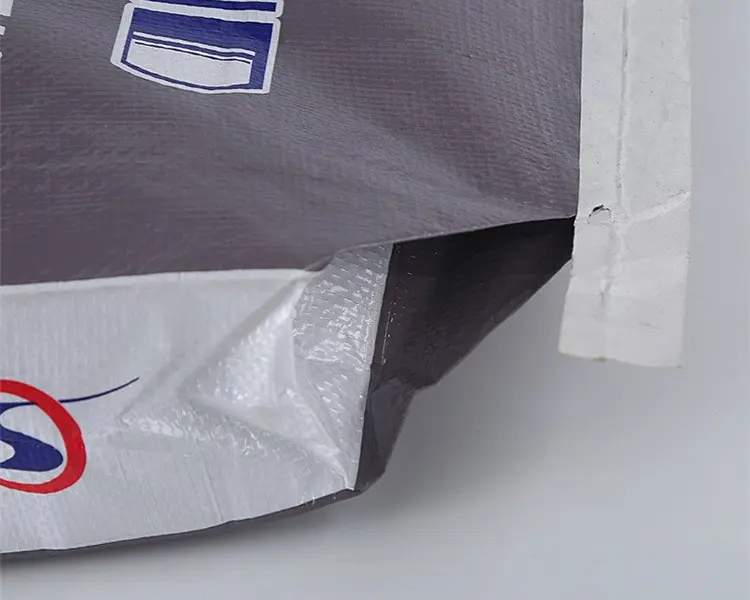
Suitable for granular fertilizers, powdered additives and selected industrial chemicals. Liner and surface options depend on chemical compatibility and moisture sensitivity.
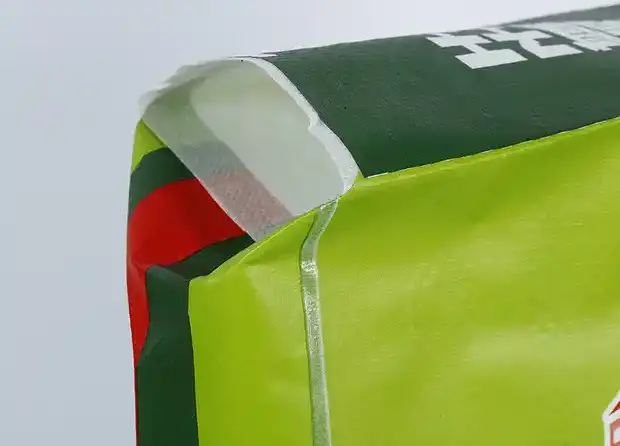
Used for calcium carbonate, mineral fillers, clay, gypsum and other dry powdered materials, with fabric and venting specifications matched to particle characteristics.

Suitable for feed pellets and selected powdered feed ingredients where automated filling and convenient handling are required.
Choosing the right valve bag requires more than matching the filling weight. Product density, particle size, moisture sensitivity, filling speed and pallet stacking conditions should all be considered before finalizing the bag structure.
Five factors to consider before specifying your industrial valve bags.
Identify whether the contents are fine powders, coarse powders or granules. Particle size, bulk density and flow behavior influence valve design and fabric selection.
Provide the filling machine type, spout dimensions and target filling speed. These details help determine valve opening dimensions and positioning.
Specify the filling weight, fabric GSM, bag dimensions and handling conditions to establish the required fabric and seam performance.
Consider whether the product needs a PE liner, coated fabric or laminated surface to address moisture exposure and powder containment.
Review pallet configuration, stacking height, warehouse conditions and shipping routes to select an appropriate bag construction.
If you are unsure which specifications to choose, share your product details, existing bag sample or filling equipment information with SITONG for a packaging assessment.
Rather than a fixed design, we adjust the bag to your application.
SITONG produces PP woven valve bags to customer specifications, covering bag dimensions, fabric weight, valve configuration, surface treatment and printing. Each order can be developed according to the required filling weight, equipment compatibility, product characteristics and delivery conditions.
Customized width, length and gusset based on filling weight, product density and required filled-bag shape.
Select suitable fabric GSM, weave specifications and construction according to load and handling requirements.
Customize valve opening dimensions, sleeve materials and valve positioning to match the filling spout.
Choose compatible PE liners, coated fabric or laminated surfaces according to moisture and containment requirements.
Flexographic printing with customized artwork, product information, batch codes and handling instructions.
Finished bags can be packed in bales or pallets according to order quantity, container loading and destination requirements.
Manufacturing capabilities and quality checks for customized woven packaging.
Share the following details to help us evaluate your requirements and prepare a more accurate quotation.
Product name, particle size, bulk density and moisture sensitivity.
Filling weight, bag width, length, fabric GSM and existing bag sample.
Filling machine type, valve spout dimensions and target filling speed.
PE liner, coating, lamination, fabric permeability and other barrier requirements.
Logo, artwork, number of printing colors and product information.
Estimated quantity, destination country, delivery schedule and packaging preference.
Already using valve bags? Send us photos, drawings or a physical sample of your current packaging. Our team can review the specifications for a customized quotation.
Quick answers for procurement and engineering teams.
Explore material options, product specifications and practical applications.
Explore other woven polypropylene packaging solutions from SITONG.
Share your product, filling equipment, bag specifications and barrier requirements for a tailored quotation.